OBD2 Diagnostic Scan Tool Functions and Real Use Cases
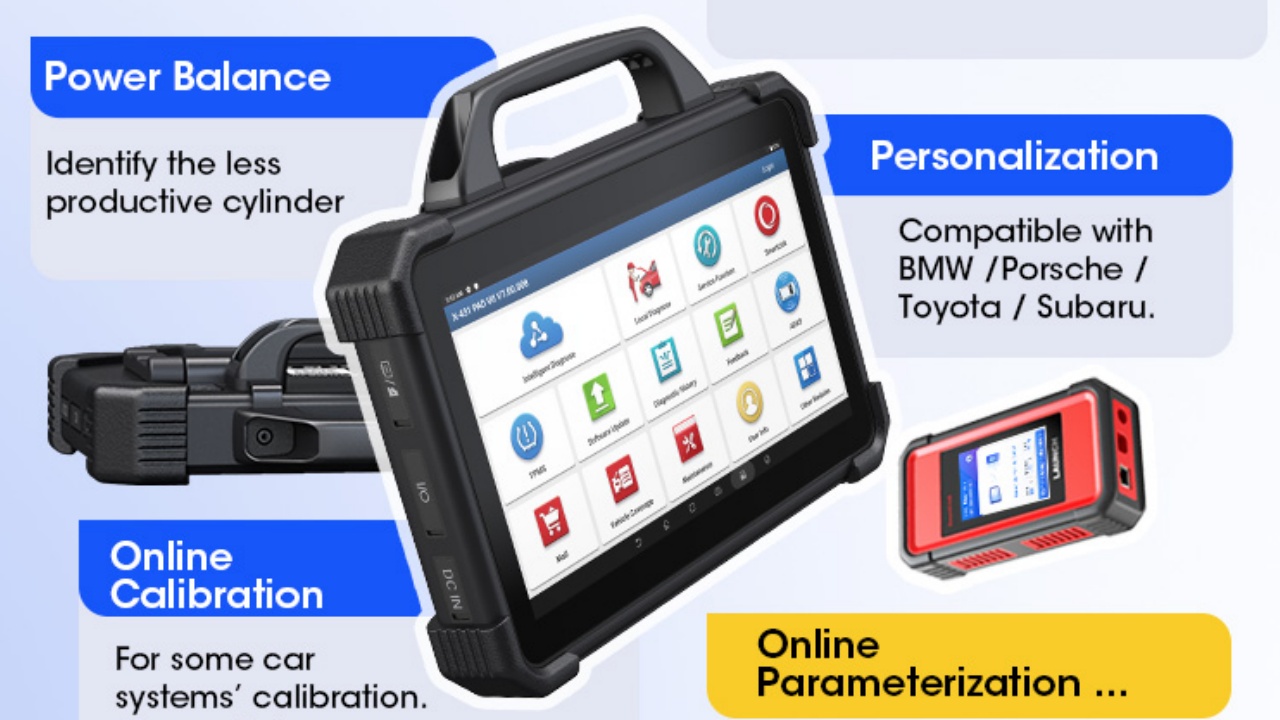
Modern cars store most operational data in electronic systems rather than in mechanical parts. When a problem occurs, it is usually recorded as a signal in the car’s computer. The obd2 diagnostic scan tool is used to access this information, verify system status, and aid decision-making during repair work. It is connected to the car and converts the internal signals into readable outputs.
Reading fault codes from vehicle systems
The most basic function of an OBD2 scan tool is reading fault codes. These codes appear when a system detects abnormal behavior in areas such as the engine or the emission control system. The tool displays these codes so technicians can understand what part of the system is affected. Devices like the LAUNCH X431 PAD VII 7 ELITE can read multiple system codes in a single scan, reducing the time spent checking each module separately. In supply operations handled by Lenkor, such tools are distributed with verified sourcing to maintain consistency in repair environments.
Clearing stored error messages after repair
After a fault is fixed, error codes often remain stored in the system memory. This is where an OBD2 scanner will come in handy in clearing these trouble codes. This confirms successful repairs as the system stops detecting issues. If the code reappears, problems remain.
Checking emission-related system behavior
One common real-world use of OBD2 tools is monitoring emission systems. Vehicles constantly track the fuel-to-air ratio to control exhaust output. When this balance is incorrect, warning signals are stored. Technicians use scan tools to check whether emission-related values are within the normal range during engine operation. This helps identify issues that may not show visible symptoms.
Monitoring live engine data
OBD2 scan tools also display real-time engine data. This will include temperature readings, airflow measurements, and fuel system data. This information will help determine how the engine reacts in different environments. For instance, if fuel data readings suddenly change while accelerating, it may indicate airflow issues.
Detecting intermittent vehicle problems
Some faults do not appear all the time. They may occur only while driving or under specific load conditions. OBD2 tools help capture data when the fault occurs. This allows technicians to review what happened before and after the issue appeared. In structured supply networks such as those supported by Lenkor, tools are provided with stable support channels to ensure consistent use in such diagnostic situations.
Checking the readiness status of vehicle systems
Vehicles perform self-checks before meeting emission or inspection standards. With the help of an OBD2 diagnostic device, one can get information about the system’s readiness, which indicates whether all required tests have been completed.
Basic sensor verification in real use
Sensors within the car detect various factors, such as oxygen level, pressure, and temperature. With a scan tool, one can verify whether sensors operate correctly. In case any malfunction is detected, sensors can be tested or replaced.
Supporting repair confirmation after part replacement
The system has to be rechecked if any part has been replaced, for instance, sensors or the control unit. The functionality of the newly installed part will be tested using an OBD2 tool. If no new fault codes appear, it indicates the repair was successful. If codes return, further inspection is required.
Use in both basic and advanced tools
Whereas basic OBD2 diagnostic tools primarily focus on code retrieval and deletion, advanced ones extend their functionality to other areas. This kind of tool, which incorporates the OBD2 and other diagnostic capabilities, includes the LAUNCH X431 PAD VII 7 ELITE. The tool is commonly used in a workshop setting for multiple jobs at once.
Mobile troubleshooting in field conditions
OBD2 scan tools are also used outside workshops. They depend on them for rapid inspection of the car’s condition at roadside or on-site locations. The aim is to determine whether the car requires immediate repairs or workshop assistance. This reduces unnecessary towing and helps speed up response time.
Role of distribution and service support
Access to OBD2 tools depends on a reliable supply and after-sales handling. Lenkor operates as a trading company that focuses on distributing original diagnostic equipment rather than changing product functions. Its role includes overseas warehouse shipping and support services, which help reduce delivery delays and improve availability for repair users in different regions.
Conclusion
The functions of an OBD2 diagnostic scanner include reading fault codes, monitoring live data, performing emissions checks, and validating repairs. An OBD2 diagnostic scanner greatly helps with modern automobile troubleshooting by providing information from inside the car that cannot be viewed externally. Tools like the LAUNCH X431 PAD VII 7 ELITE extend these capabilities into broader system diagnostics used in workshop environments. Alongside the tools themselves, distribution and support systems such as those provided by Lenkor help maintain access, delivery stability, and product authenticity across different repair settings.