Press Brake Programming Errors That Lead to Wrong Bend Sequences in Production
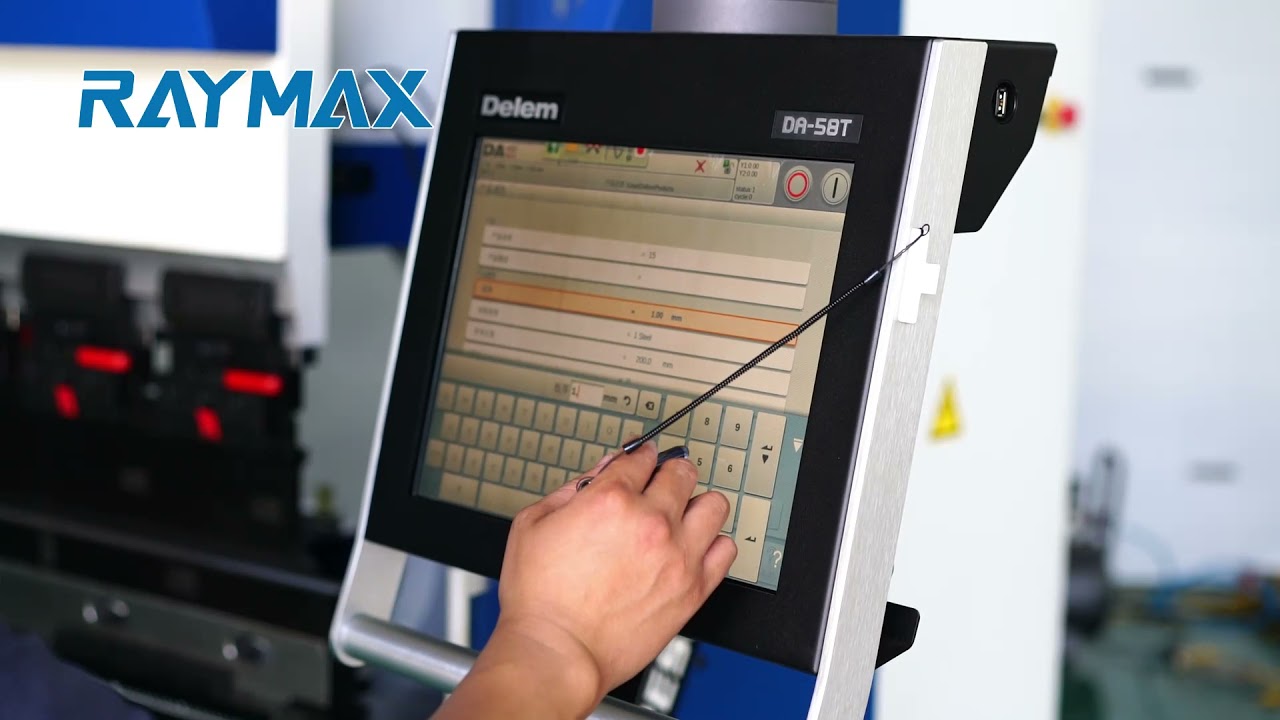
Bending problems do not arise solely from faulty tools or mechanical failures. The problem is often caused by faults in the bending program itself. One tiny error might alter the bend sequence, causing collisions, problems, wastage, and even rework. These are some of the mistakes made when operators are under pressure during busy times. The programmer might copy or edit the programs without verifying them first, or failing to edit the old file. Over time, such mistakes lead to confusion and unstable quality. This article outlines common press brake programming errors that result in incorrect bend sequences and their impact on production. Click here to get to know more about Raymax equipment.
Why Bend Sequence Matters
The bend sequence is crucial for ensuring bends are made in an order that allows the part to move freely into place. Even with correct angles, a poor sequence can cause parts to hit the machine, tooling interference, or make parts impossible to position after multiple bends. Proper sequencing ensures smooth, practical bending throughout, not just in the final shape.
Programs Copied from Similar Parts
One common mistake is copying programs from older workpieces that look similar but differ slightly in dimensions. Small changes in flange length, hole position, or bend direction can require a different sequence. If programmers don’t properly update the sequence, operators risk collisions during production. This issue is more frequent in workshops with many custom parts having small design changes.
Ignoring Tooling Clearance
Some bending programs appear correct on the control screen but fail during production because tooling clearance isn’t properly checked. As bends accumulate, the workpiece shape changes, and large flanges or side walls may strike the punch, die, or machine frame if the sequence is wrong. This often forces operators to stop production and manually resequence. Manufacturers like RAYMAX stress checking collision risks before finalizing bending programs.
Backgauge Positioning Errors
The backgauge is crucial for accurate bending positioning. Programming errors can misplace the backgauge, leading to misalignment and dimensional drift between bends. Sometimes, the workpiece can’t reach the programmed position after shaping. These minor setup errors can lead to significant issues during production.
Wrong Bend Direction Settings
Another common programming issue is incorrect bend direction assignments. A bend intended to move upward may be accidentally programmed downward, or vice versa. This causes immediate problems once production begins. Operators may notice impossible positioning steps, part interference, or reversed flange orientation. Correcting the issue often requires stopping production, editing the sequence, and repeating the first-piece inspection.
Failure to Account for Material Behavior
Material behavior influences bend sequencing, as different materials, such as stainless steel and mild steel, require distinct handling due to variations in springback and force. If unaccounted for, it hinders consistent positioning, leading factories using RAYMAX to create separate programs for each material group rather than one universal file.
Manual Shop Floor Changes Create Confusion
Operators sometimes modify bend sequences directly at the machine to maintain production, but these updates are often not saved. Later, others load the outdated program, repeating mistakes, leading to multiple unofficial versions in circulation. This causes confusion over which sequence is correct.
Multi-Bend Parts Are More Sensitive
Simple brackets with only one or two bends are usually forgiving. However, multi-bend parts become highly sensitive to sequencing problems. Electrical cabinets, box-shaped parts, and deep channel sections often require carefully planned bend orders to avoid collisions and maintain dimensional accuracy. A single sequence mistake early in the process may prevent the remaining bends from being completed successfully.
Incorrect Flat Pattern Assumptions
Some programming problems begin before bending even starts. Incorrect flat pattern calculations can change flange lengths and positioning references, affecting the entire bend sequence. When actual dimensions no longer match the programmed assumptions, operators may manually compensate for the difference in production. This creates additional inconsistency between batches and increases the risk of rework.
Lack of Program Verification
In some workshops, programs are released to production without full testing, as programmers assume sequence correctness based on simulation. However, real conditions, such as workpiece flexibility, tooling, and operator handling, often reveal issues. Companies such as RAYMAX recommend controlled first-piece verification before full production to ensure smooth operation.
Sequence Errors Increase Rework Costs
Wrong bend sequences do more than slow down production. They also increase material waste, inspection time, and operator frustration. Repeated trial bends consume machine time and reduce production efficiency. Incorrectly bent parts may require complete remanufacturing if dimensions or assembly conditions cannot be corrected. In high-mix production environments, these hidden losses can become substantial over time.
Conclusion
Press brake programming errors often result in incorrect bend sequences, leading to delays and rework. Common issues include incorrect bend direction, tooling clearance, unstable backgauge, and outdated programs. Small assumptions during setup can lead to major problems with multi-bend parts. To reduce errors, manufacturers should verify programs, manage versions, and test first pieces thoroughly for more stable bending.